Best for
- Learners choosing a new method
- People testing whether a study target fits their week
- Buyers who want a plan before a subscription
Watch for
- Tool outputs are planning aids, not proficiency diagnoses
- Hour ranges do not guarantee outcomes
- No recommendation is weighted by affiliate commission
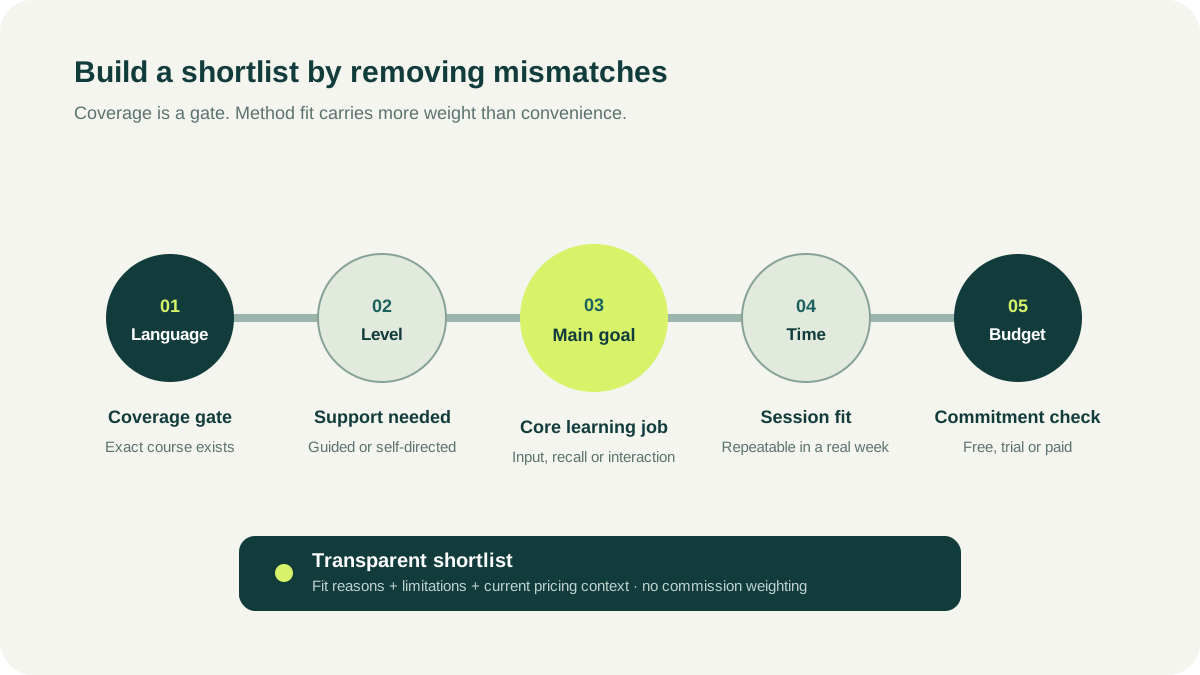
1. Language Method Finder
Use the finder when the main question is which learning format belongs at the centre of the week. It filters documented options by target language, level, primary goal, session length and budget model.
The output explains fit and limitation without using affiliate status. It is a shortlist to verify, not an automated purchase instruction.
2. CEFR Progress Planner
Use the CEFR planner when a level target exists but the workload is unclear. It converts approximate guided-learning hour ranges into a wide planning window using the schedule you enter.
The source ranges concern English and cannot promise another language's timeline. Can-do tasks and periodic review remain more informative than a date alone.
3. Listening Input Calculator
Use the listening calculator to see how a small daily block compounds across a week, an average month and a year. The arithmetic makes an unrealistic plan easier to spot.
The result deliberately does not turn exposure hours into fluency. Decide how much time will be focused listening, easier volume and a short comprehension response.
4. Language Environment Planner
Use the environment planner to divide each study day across listening, reading, vocabulary review and speaking. Level, preferred media and selected priority skills visibly change the allocation.
The output always sums to the available minutes and keeps a small place for complementary activities. It describes independent home study, not a formal immersion programme.
A practical order
Choose the method first, size any level target second, calculate a core listening habit third and then allocate the complete week. Skip a tool when its question is already answered.
After several real sessions, compare the plan with completed minutes and one observable task. Change the weakest assumption before adding more software.